Mandi
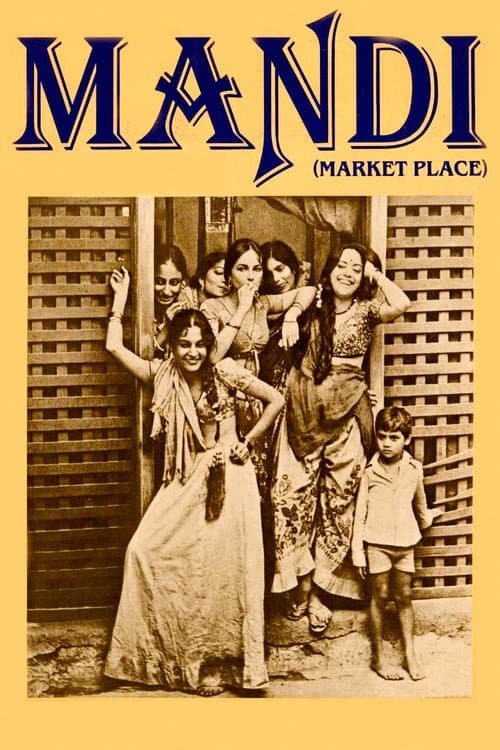
The denizens of a brothel deal with internal drama, as well as pressure from greedy land developers and an anti-sex work politician to leave town.
Runtime
2h 47m
Language
HI
Budget
Undisclosed
Revenue
Undisclosed
Cast
Faces behind the story

Shabana Azmi
Rukmini Bai

Smita Patil
Zeenat

Naseeruddin Shah
Tungrus

Amrish Puri
Darvish

Kulbhushan Kharbanda
Mr. Gupta

Geser ke samping untuk melihat lainnya.
Gallery
Frames that sell the world



Reviews
Audience signals
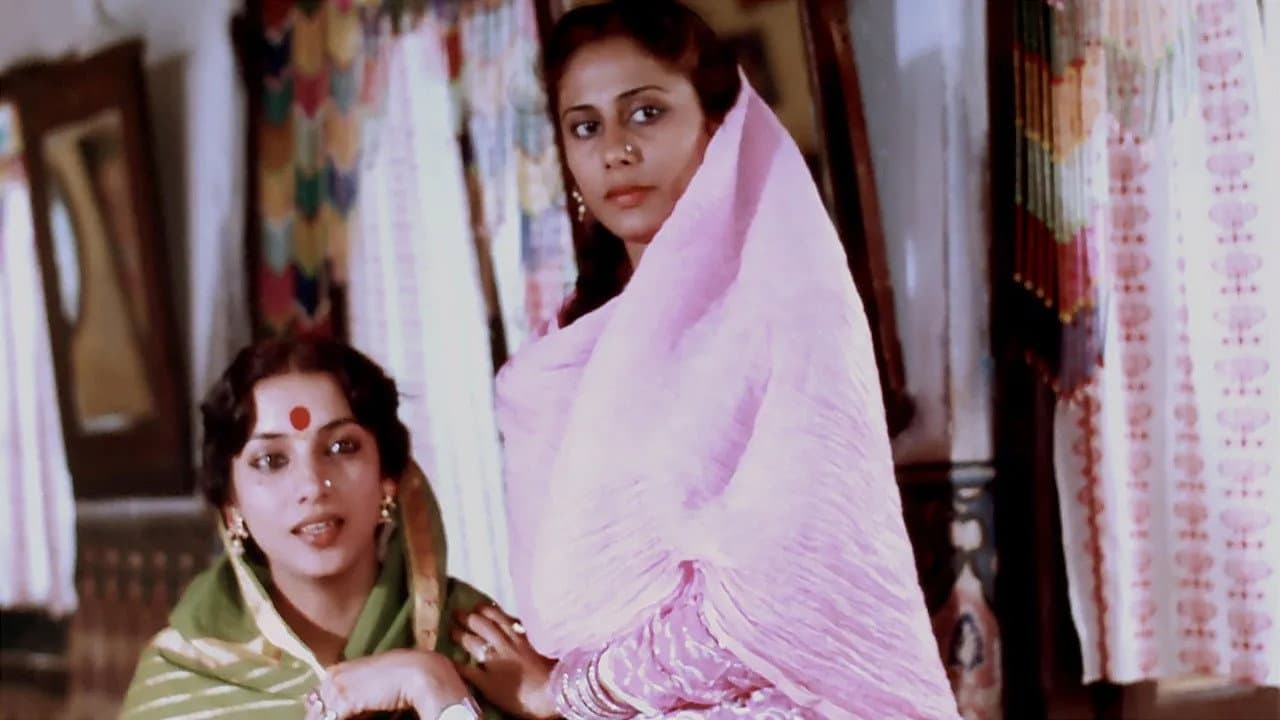
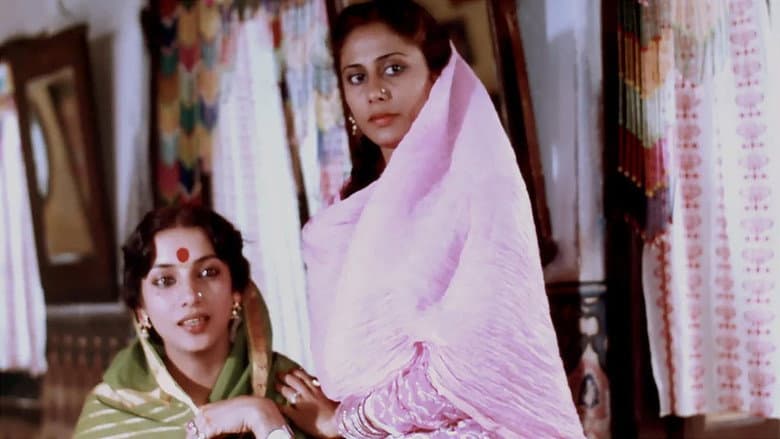
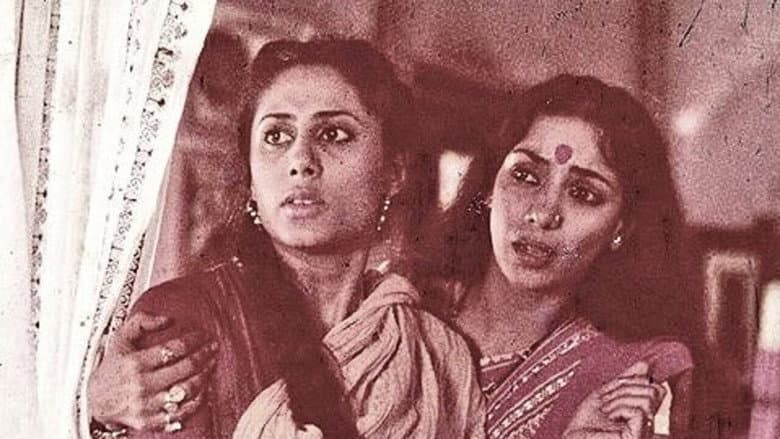
Based on a short story from an Urdu short story called "Anandi" by Ghulam Abbas, Mandi is presented as a black comedy about a group of prostitutes, led by Rukminibai, who struggle against the 'morality-police' forces in the city that want them thrown out, and their brothel destroyed to make room for 'development'. This film is among Shyam Benegal's best work. Benegal assembles some highly professional actors, with Shabana Azmi excelling as the crude, selfish, yet likable "Bai" (madam) of the "Khota" (brothel), Smita Patil as the beautiful, gentle-looking, but rebellious Zeenat. The movie rests on their strong performances, and also on Naseeruddin Shah's, whose character reveals a lot about the 'khota' and about the relationships between its inhabitants. The relationship between Rukminibai and Tungrus is deceptively simple, for underneath all their interactions there is a deep concern they share for each other. This is why we see Tungrus being excessively critical of her during the opening scenes; he worries for her. The relationship between Rukminibai and Zeenat is one of the main focuses of this movie; Rukminibai loves Zeenat like a daughter, but feels threatened when Zeenat wants to assert her freedom, and becomes addicted to 'taking care' of Zeenat and keeping her under her control. She eventually alienates herself from all the women who work for her, and her seemingly strong personality disintegrates, and right when she is on the verge of breaking down, and when the possibility of starting afresh and maybe beginning a reflective process of self-recovery appears, she tragically falls into the cycle of selfish-love/'motherly' control again. Other interesting facets of this movie include the 'social worker', Shanti Devi, who is concerned about the moral degradation of the city, and fights the unrelenting prostitutes to claim back lost honor. There is an especially emotionally frustrating scene where Shanti Devi speaks about how a woman should be respected and not sold, while addressing a crowd, and proclaims that she will persuade her 'sisters' to give up this lowly work. Some prostitutes respond with, "And where will we get our bread?" Shanti Devi, the great, compassionate womens-rights espouser coldly says, "Bread isn't everything in life." One of the women casually reply with bursting frustration: "you must get it for free." The prostitutes' fate feebly dangles in between these powerful forces--on the one side, there is the moral, 'feminist', social-worker, who is so superficially attached to her 'cause' that she cannot relate to real women and their struggles, and on the other, there is the powerful industrialist, Gupta, who buys their brothel with the intention of razing it down, but continues to mislead them. Other female representations include Gupta's extremely-inhibited, mentally-restrained, child-like daughter, for whom he strategically arranges a marriage with the son of another powerful figure who also ties-in with the prostitutes in another manner. Aditya Bhattacharya plays the innocent, young Sushil, engaged to Gupta's daughter, but attracted to the liveliness and beauty he perceives in the unpretentious Zeenat. His attraction to her soon proves to be problematic, however. This movie very subtly points out how morally-lacking these surrounding forces are, and how the prostitutes, who seem more real and bound by morals than the other, rather snobbish, 'respectable' people, ultimately are forced to take the blame for 'moral degradation' and are forced to leave the city (their struggles don't end there). This theme is at the heart of the recurring song (Rukminibai hums it often, and also asks Zeenat to sing it), "Zabaane Badalte Hain Har Aan Khubaan.. Yeh Sab Kuch Hai Bigdi Zamaane Ki Baatein."
Recommendations
Films that continue this mood and momentum.

The Man from Elysian Fields
2001 / Drama, Romance

Just Before I Go
2015 / Comedy, Drama

Newness
2017 / Romance, Drama

...All the Marbles
1981 / Comedy, Drama

Small Apartments
2012 / Comedy, Crime

Petulia
1968 / Drama, Romance

The Dirty Picture
2011 / Comedy, Drama

Fifty Shades Freed
2018 / Drama, Romance

The Little Death
2014 / Drama, Comedy

Hooking Up
2020 / Comedy, Drama

Unfaithful
2002 / Thriller, Drama

Cherry
2010 / Comedy, Drama

Lipstick Under My Burkha
2017 / Comedy, Drama

Family Weekend
2013 / Comedy, Drama

The Rules of Attraction
2002 / Drama, Romance

See You Soon
2019 / Romance, Drama

The Clique
2008 / Comedy, Drama

Shortbus
2006 / Romance, Drama

Band Aid
2017 / Comedy, Drama

Somewhere in Queens
2023 / Comedy, Drama
Geser ke samping untuk melihat lainnya.
Similar Movies
Adjacent stories from the same cinematic neighborhood.

Pratigyabadh
1991 / Action, Drama
Kitaab
1977 / Drama
Zindagani
1986 / Action, Drama

A Daughter Of Destiny
1928 / Drama, Fantasy

A Diary of a Murderess
1975 / Thriller, Drama
Sitara
1980 / Drama, Family

Happy Land
1943 / Drama, Fantasy

Dirty Pretty Things
2002 / Crime, Drama

Night Shift
2023 / Comedy, Crime
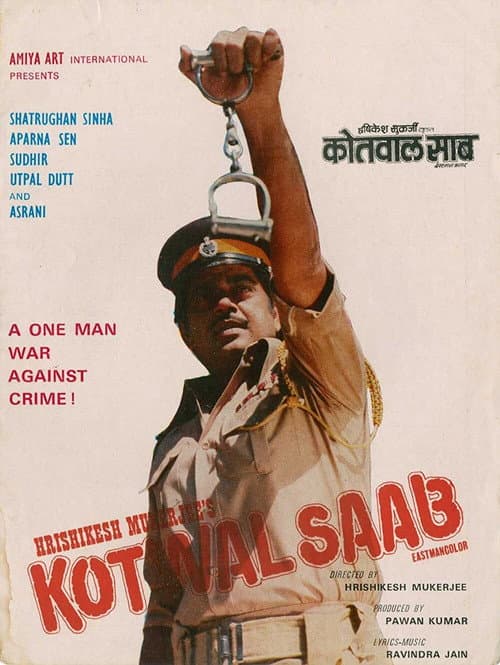
Kotwal Saab
1977 / Action, Crime

Libaas
1988 / Drama

Midnight Cowboy
1969 / Drama

The Saviour
1980 / Thriller, Crime

Jahaan Chaar Yaar
2022 / Comedy, Drama

Easy Rider
1969 / Adventure, Drama
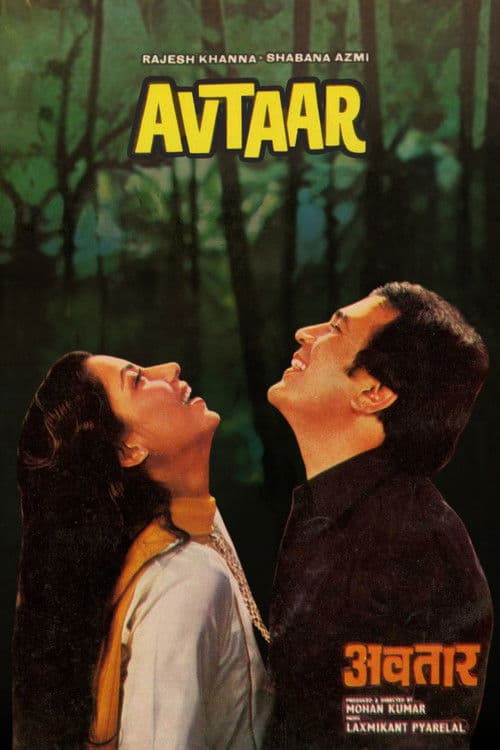
Avtaar
1983 / Drama

Belle de Jour
1967 / Drama, Romance
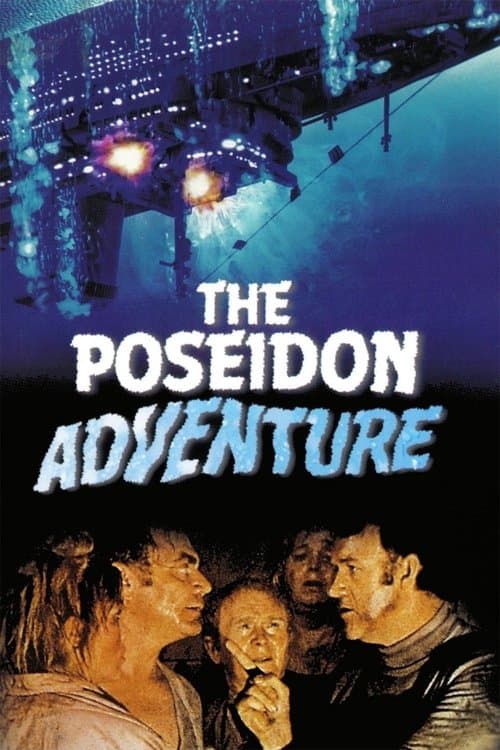
The Poseidon Adventure
1972 / Adventure, Drama

Full Metal Jacket
1987 / Drama, War
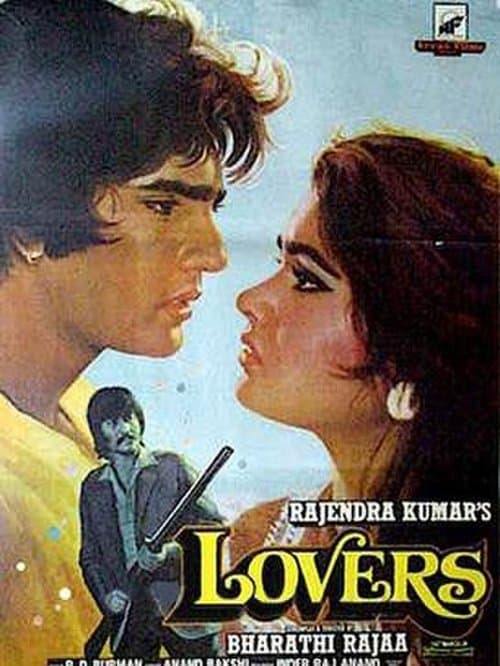
Lovers
1983 / Comedy, Drama
Geser ke samping untuk melihat lainnya.