Joy of Learning
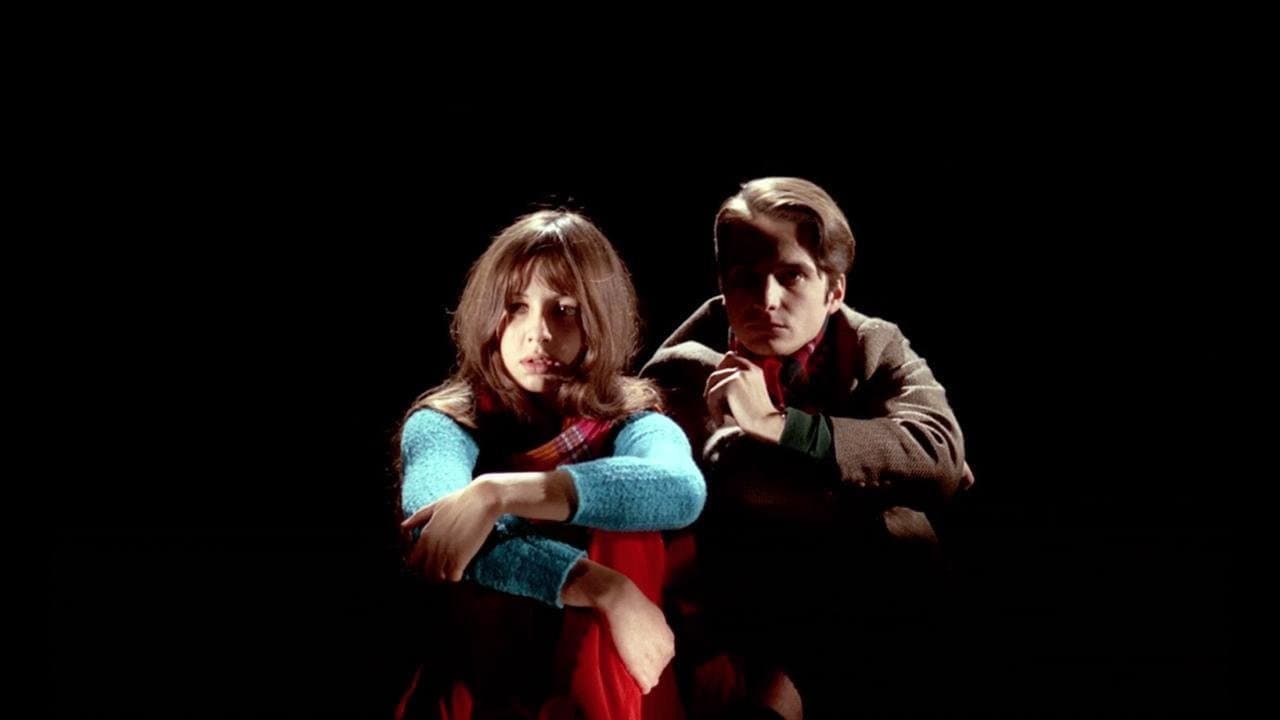
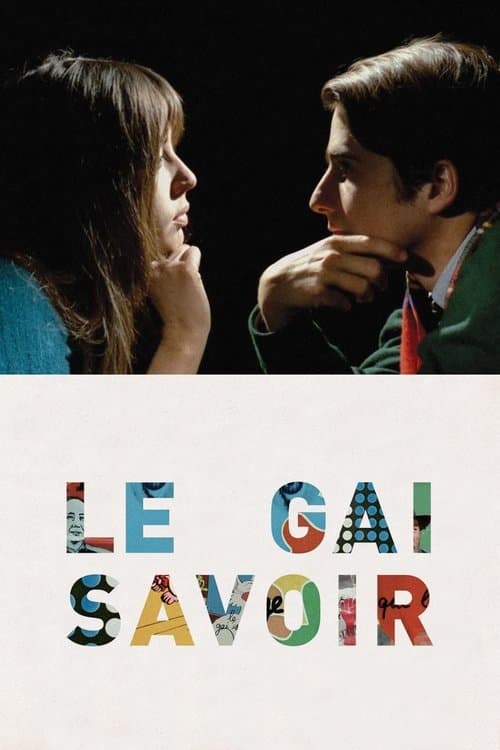
While alone in an abandoned television studio, two militants, Emile Rousseau and Patricia Lumumba, have a discourse on language. Referring to spoken word as "the enemy"--the weapon used by the establishment to confuse liberation movements--the two deconstruct the meanings of sounds and images in an attempt to "return to zero" and truly experience the joy of learning.
Runtime
1h 35m
Language
FR
Budget
Undisclosed
Revenue
Undisclosed
Cast
Faces behind the story

Juliet Berto
Patricia Lumumba (uncredited)

Jean-Pierre Léaud
Émile Rousseau (uncredited)

Jean-Luc Godard
Narrator (voice) (uncredited)
Geser ke samping untuk melihat lainnya.
Gallery
Frames that sell the world


Reviews
Audience signals
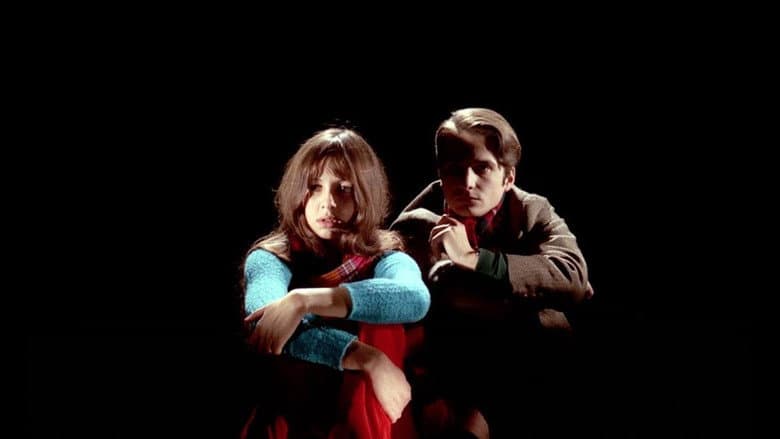
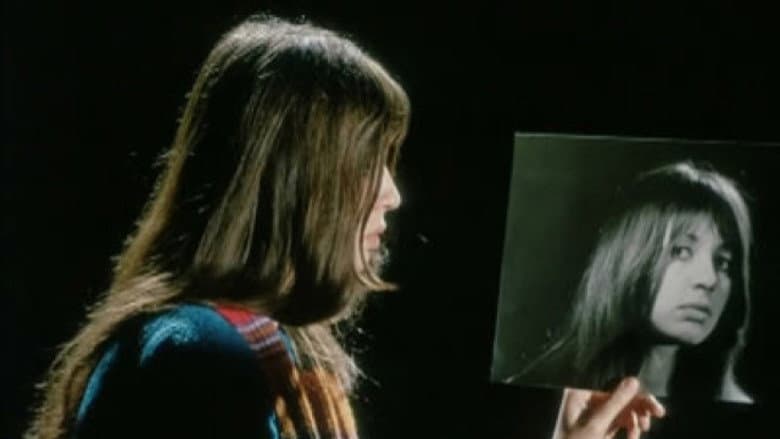
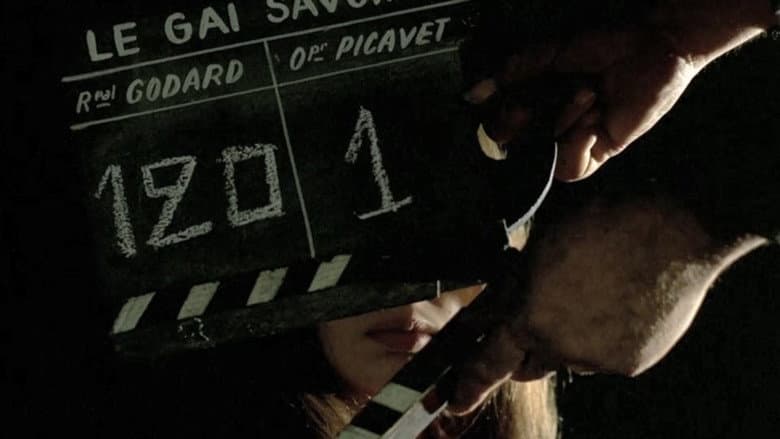
As the 1960s went by, Jean-Luc Godard was increasing adding social concerns and strident political messages to his films, but never without breaking traditional storytelling, however zany it might be with his French New Wave style. In 1967, however, he set off on a new direction. LE GAI SAVOIR was the first production that Godard shot after he bade farewell to his usual crew and dedicated himself entirely to political filmmaking. Originally made for French television, it was rejected and only screened at a few festivals, and it is easy to understand why: LE GAI SAVOIR still feels very avant-garde and intense today. The film's title is best translated "The Joy of Learning". The two people that appear in the film are less distinct characters than representations of Godard himself: Emile (Jean-Pierre Léaud) and Patricia (Juliet Berto) meet on a darkened soundstage and announce that they will study revolution. A heap of still images begins to appear on the screen: fragments of workers' union speeches, Vietnam footage, pornography, Parisian street scenes, Black Panthers, African guerilla movements, fashion shoots, advertisements from magazines, and comic books. Emile and Patricia (but really Godard) wish to make sense of everything they are seeing and to put it in the right order, for Godard believed that cinema could reflect the truth were its materials only presented in the right way. Biting the hand that feeds him, Godard attacks French television, as well as other European television networks, and Hollywood. Godard's leftist sympathies were more Maoist (or rather an infatuation with a sort of fantasy Maoism shorn of horrors it inflicted on China) than traditionally Western European Communist, and some of his biting criticism is directed towards the Soviet Union. As the film opens with this chaos of social and culture themes, the dialogue is initially driven by free association, and there's a lot of humour in the way that Godard manages to link one issue to another. One can expect puns and bitter jokes, and Godard also whispers in voiceover over the proceedings as he famously did in his earlier film "Deux ou trois chose que je sais d'elle". In one section of the film, Emile and Patricia pose questions to three people brought in off the street: two children and an old man (the last seems a bit of a wino, really), basically giving a word and asking their interlocutor to say whatever comes to mind. This is intended as a way of showing how bourgeois society is or isn't willing to confront the issues of the age, but there seems to be some hope for the kids. The film ends on a hopeful note where the characters suggest that shots missing from the film will be shot by other well-known filmakers like Bertolucci. "It's a bit vague," they say, "But film makes people think." (Godard's peers didn't quite take up his challenge.) LE GAI SAVOIR is an interesting portrait of late 1960s Paris, or at least its radical side. Shooting began before the upheavals of May 1968, and Godard was certainly prescient of the coming wave of youth anger. Editing was finished after May'68, which allowed Godard to make references to Daniel Cohn-Bendit and his expulsion from France. Another way that the film is of its era is the way that Godard links his vaguely Marxist economic ideas with sexual liberation and psychoanalysis. Jean-Pierre Léaud seems to have less room for real acting here than in his other films of the 1960s, which is somewhat disappointing. Berto's part is remarkable, however. Godard hs the camera constantly study her face. Berto is so consistenly sad and pouty in Godard's films of the 1960s that the brief moment here when she laughs is absolutely shocking.
Recommendations
Films that continue this mood and momentum.
1
2020 / Drama

Reading Lolita in Tehran
2024 / Drama
Brother
2019 / Drama

Babylon
1980 / Drama
Hands of Stone
2016 / Drama
Hardball
2001 / Drama

Bennett's War
2019 / Drama
The Young One
1960 / Drama
Eleanor the Great
2025 / Drama
Fast Girls
2012 / Drama
Thank You, Life
1991 / Drama

Heaven
2019 / Drama, TV Movie
All Together Now
2020 / Drama
Chaos
2001 / Drama

Breathe
2014 / Drama
The Girl in the Book
2015 / Drama

In Full Bloom
2019 / Action, Drama
Girl in the Box
2016 / Drama, TV Movie
Home Run
2013 / Drama

Strange Weather
2016 / Drama
Geser ke samping untuk melihat lainnya.
Similar Movies
Adjacent stories from the same cinematic neighborhood.
Pierrot le Fou
1965 / Drama, Romance
La Jetée
1962 / Drama, Romance
Cléo from 5 to 7
1962 / Drama
Breathless
1960 / Drama, Crime
Fahrenheit 451
1966 / Drama, Science Fiction

The Last Metro
1980 / Drama, Romance
The Wild Child
1970 / Drama, History
Jules and Jim
1962 / Drama, Romance
Day for Night
1973 / Comedy, Drama

Vivre Sa Vie
1962 / Drama
La Chinoise
1967 / Drama, Comedy
Grand Illusion
1937 / Drama, History

Love in the Afternoon
1972 / Drama, Romance

A Woman Is a Woman
1961 / Comedy, Drama
Tout Va Bien
1972 / Drama

Band of Outsiders
1964 / Crime, Drama
The Woman Next Door
1981 / Drama, Romance
Masculin Féminin
1966 / Drama, Romance
Le Beau Serge
1959 / Drama
Les Bonnes Femmes
1960 / Drama
Geser ke samping untuk melihat lainnya.