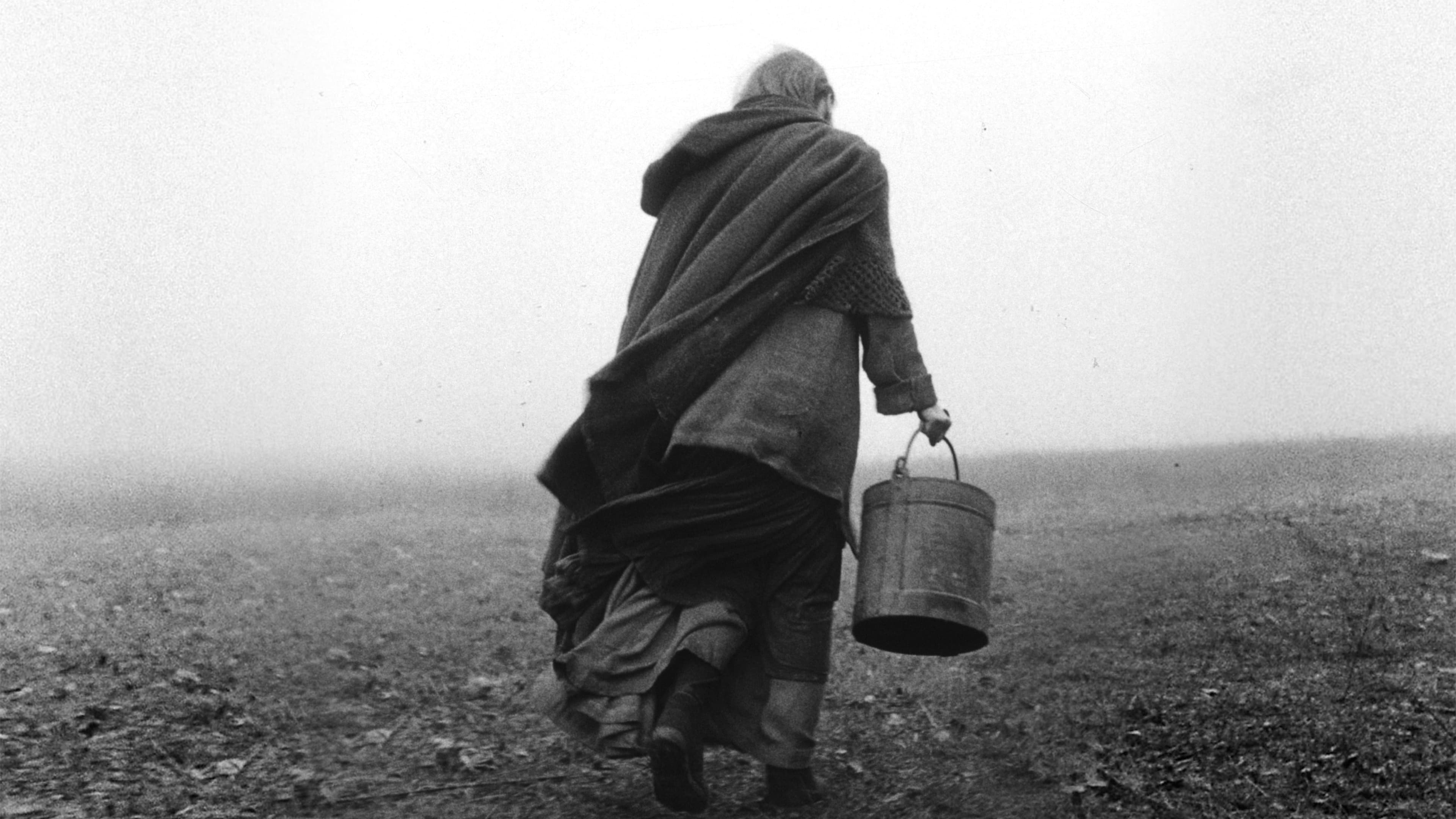

The Turin Horse
A look at the monotonous daily struggle of a father and daughter in a windswept, desolate landscape. Over six days, their routine of eating boiled potatoes and tending a failing horse crumbles, symbolizing a slow descent into darkness, emptiness, and the end of existence.
Runtime
2h 35m
Language
HU
Budget
$1M
Revenue
$162.1K
Cast
Faces behind the story

János Derzsi
Ohlsdorfer

Erika Bók
Ohlsdorfer's daughter

Mihály Kormos
Bernhard
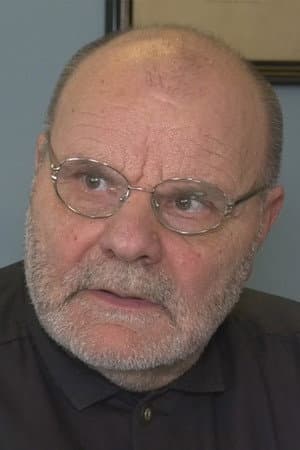
Lajos Kovács
Bernhard (voice)

Mihály Ráday
Narrator (voice)
Geser ke samping untuk melihat lainnya.
Gallery
Frames that sell the world


Reviews
Audience signals
In 2011 Béla Tarr, a Hungarian director who had drawn acclaim for his distinctive style of long takes à la Andrei Tarkovsky and a bleak and sardonic view of human existence, released what he stated would be his last film: THE TURIN HORSE. The film's genesis is rooted in a conversation between Tarr and the Hungarian novelist Laszlo Krasznahorkai some years before: Krasznahorkai recounted the story Friedrich Nietzsche's famous breakdown in the streets of Turin after watching a cabman cruelly beat his horse. We know, Krasznahorkai noted, that Nietzsche lived on for another decade, mute and demented, in the care of his family, but what happened to the horse? Thus the two decided to make a film, but it would not be a historical film about late 19th-century Turin. Rather, the Nietzsche story only served as an initial inspiration for a more universal drama. After an introduction spoken by a narrator that briefly tells the Nietzsche story, we are introduced to a horse and his cabman, Ohlsdorfer (János Derzsi). With much effort -- the opening take of the horse pulling the cart on the road is several minutes long -- Ohlsdorfer reaches a house and a barn in the minute of a nondescript wilderness, where a savage wind blows nonstop. His daughter (Erika Bók) appears, and the two struggle to unharness the horse and lead it into the barn as the wind howls. Immediately we see that they lived alone and in poverty. The film is divided into a series of episodes, "The First Day", "The Second Day" etc. where Ohlsdorfer and his daughter repeat the same routine: she helps Ohlsdorfer dress or undress (he is partly lame), she boils potatoes that she and Ohlsdorfer eat, piping hot, with their fingers. Yet in spite of this grinding routine, each day shows the action from a slightly different angle, and we become aware that the world in which they live is breaking down. Everything happens with a minimum of dialogue, except for two appearances by visitors to their homestead that are grim portents. The horse itself gets comparatively little screen time, but is such a potent symbol that it does feel like, as Tarr calls it in the film's credits, the "main role". THE TURIN HORSE is shot in only 30 takes by cinematographer Fred Kelemen; considering the film is 2 hours 35 minutes long, that means an average shot length of 5 minutes. Tarr's visual aesthetic of very long takes is not for everyone, but if you surrender to its hypnotic effect, it can be very powerful. The slow pace puts the viewer into a hyper-aware state where you are familiarized with the most minute details of the set, some of which will later prove important in the action, while others are simply distinct and memorable quirks. It is this elevating of the stage set to nearly a character in itself that is one of Tarr's major innovations. The bleakness of Tarr and Krasznahorkai's vision is not completely oppressive. You might find some humour here, even if it is the blackest humour imaginable. THE TURIN HORSE can be readily compared to the more austere plays of Samuel Beckett which reveal human existence to be absurd, but lampoon attempts at philosophy or personal foibles in ways that can make one grimly chuckle. This sort of film isn't for everyone. Needless to say, if you like movies as simple entertainment and don't go for "arthouse" efforts, then you should steer clear of this. For more open-minded cinephiles, I'd recommend seeing the work of Andrei Tarkovsky first before you decide to go on to the even more extreme aesthetic of Tarr. But I personally found this (like a few of Tarr's prior efforts) to be a very moving experience, one that I am sure I will repeat from time to time over the years. The visual poetry of THE TURIN HORSE is incredible.
Recommendations
Films that continue this mood and momentum.
Holy Lands
2019 / Drama
Starving in Suburbia
2014 / Drama, TV Movie
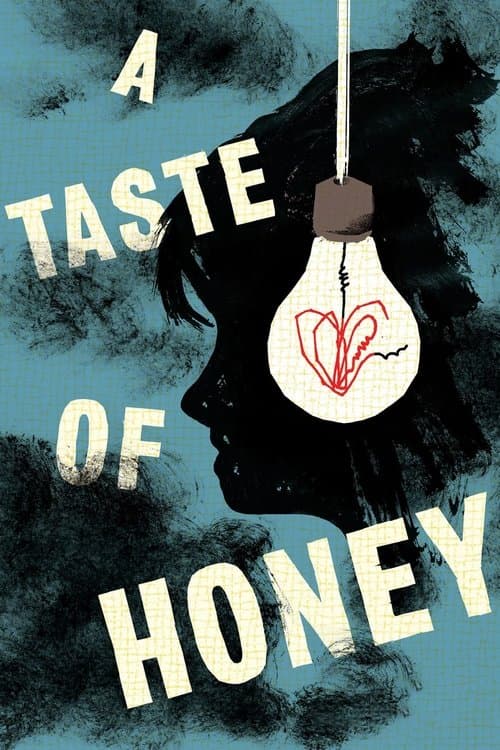
A Taste of Honey
1961 / Drama
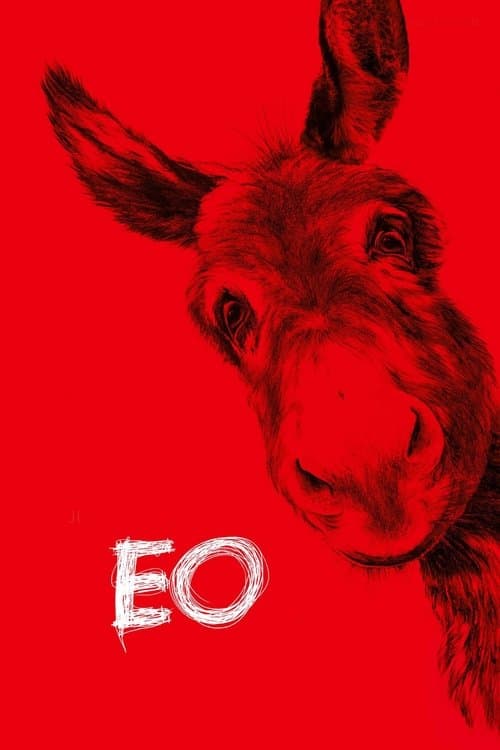
EO
2022 / Drama, Adventure
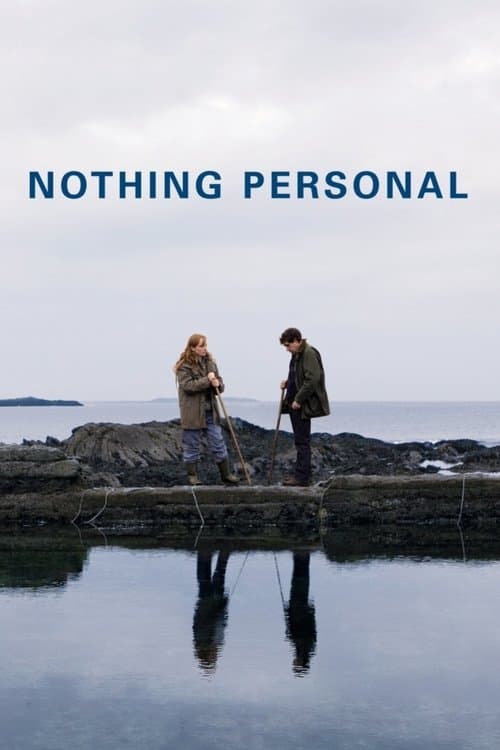
Nothing Personal
2009 / Drama
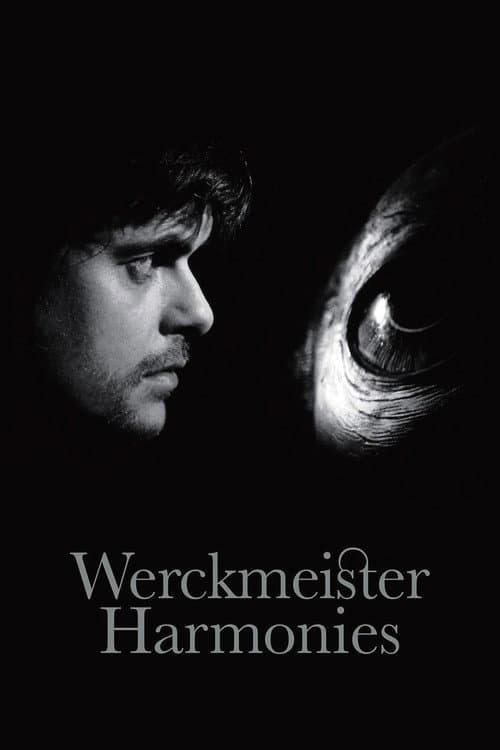
Werckmeister Harmonies
2001 / Drama
Skin
2009 / Drama
Dawn of the Planet of the Apes
2014 / Science Fiction, Action

Mr. Church
2016 / Drama
Where Hope Grows
2014 / Drama
Faith Like Potatoes
2006 / Drama
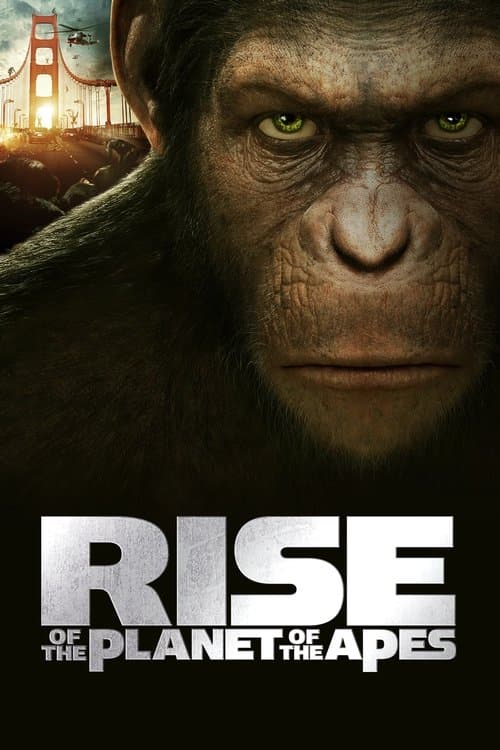
Rise of the Planet of the Apes
2011 / Thriller, Action
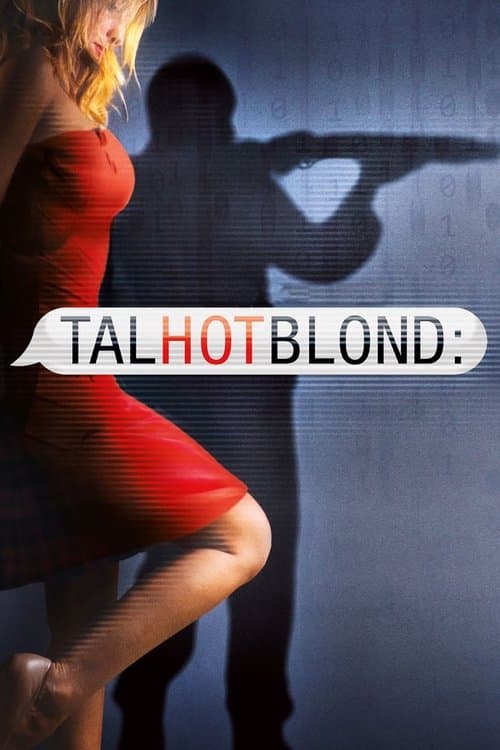
TalhotBlond
2012 / Drama, TV Movie
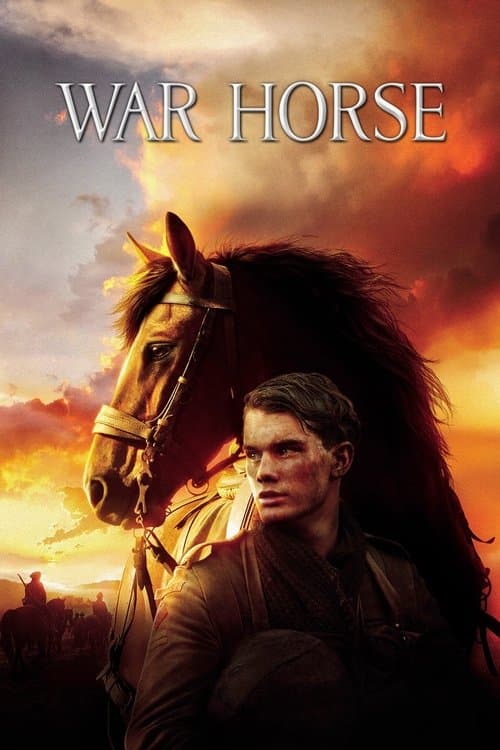
War Horse
2011 / War, History
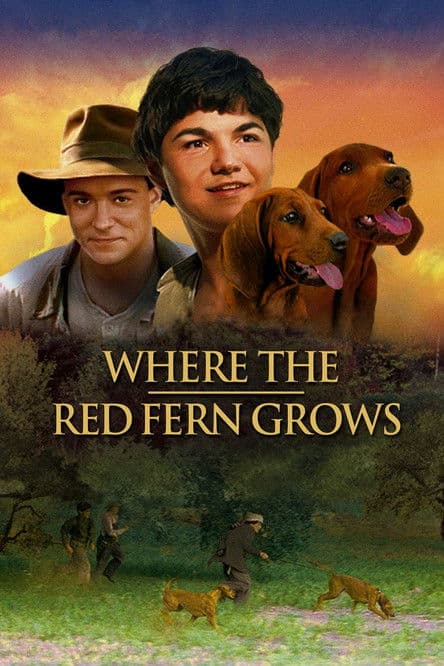
Where the Red Fern Grows
2003 / Drama, Family
Normal
2003 / Drama, TV Movie
Fences
2016 / Drama
Hello Sister, Goodbye Life
2006 / Drama, TV Movie
War for the Planet of the Apes
2017 / Drama, Science Fiction
Loving Vincent
2017 / Animation, Drama
Geser ke samping untuk melihat lainnya.
Similar Movies
Adjacent stories from the same cinematic neighborhood.
Dead Man Walking
1995 / Drama
All Dirt Roads Taste of Salt
2023 / Drama
American Graffiti
1973 / Comedy, Drama
Irreversible
2002 / Drama, Thriller
The Wasteland
2021 / Drama, Horror
Persona
1966 / Drama
The Last Cigarette - An Absurd Short
2021 / Drama
Lazy Boy
2025 / Drama
The Boy, the Mole, the Fox and the Horse
2022 / Animation, Family
Blondie of the Follies
1932 / Drama, Comedy
Revolutionary Road
2008 / Drama, Romance
Women on the Verge of a Nervous Breakdown
1988 / Comedy, Drama
Madrona Marsh
2023 / Drama
Dublin Crust
2023 / Drama, Music
Adeline
2022 / Drama
Bootsmann
2016 / Documentary, Drama
Distress Signals
2022 / Thriller, Drama
That's My Man
1947 / Drama, Romance
Leave No Trace
2018 / Drama
Boiling Point
2021 / Drama, Thriller
Geser ke samping untuk melihat lainnya.